History
Yanguan has been a strategic and cultural centre on the southern bank of the Qiantang River for centuries. Its prominence is closely linked to the tidal bore, one of the world’s most dramatic tidal phenomena, which has shaped local identity, defence, and ritual life. Historically, the town served as a coastal gateway with administrative, military, and commercial functions, giving rise to a rich legacy of temples, academies, and civic architecture.
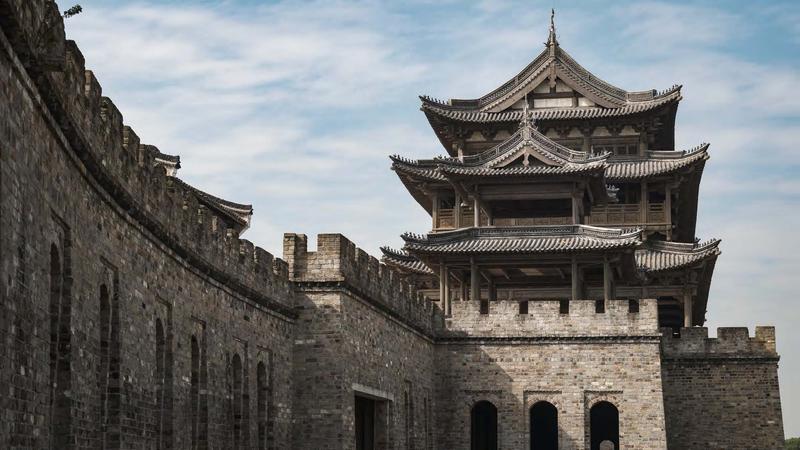
The city is also associated with prominent cultural figures, including scholars and writers whose legacies are preserved in residences and memorials. These sites illustrate the intellectual and artistic traditions that flourished in Yanguan and continue to inform its contemporary cultural positioning. The historic urban fabric—gates, temples, and street networks—anchors a strong sense of place and offers a tangible connection to the town’s past.
Development
Yanguan’s revitalization builds on its identity as the “hometown of Qianlong and capital of the tidal bore,” while repositioning the destination as a world music hub. The strategy combines heritage conservation with new cultural venues, performance spaces, and public waterfront improvements. This approach creates a destination that is both historically rooted and forward-looking in its cultural programming.
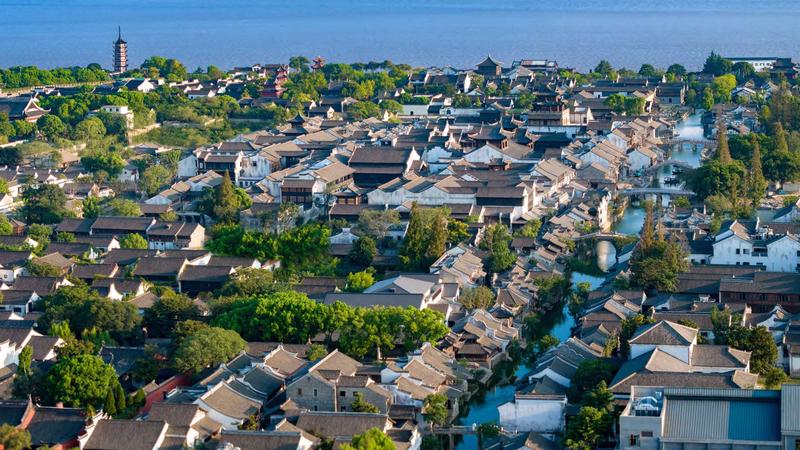
The plan integrates culture, ecology, tourism, and music-oriented activities into a unified visitor experience. Scenic corridors emphasize tidal-bore viewing and riverside promenades, while urban cultural zones host concerts, festivals, and exhibitions. Boutique accommodations, restaurants, and creative retail complete the offer, encouraging longer stays and repeat visits.
By highlighting the tidal bore as a signature natural spectacle and layering it with arts programming, Yanguan’s development introduces a contemporary narrative that complements its historical legacy. This fusion of heritage and creative industry positions the ancient city as a destination for both cultural exploration and leisure travel.
Main attractions
Chen Ge Lao Residence - A historic residence linked to a Qing-era grand secretary and the literary roots of local culture. It offers insight into the elite domestic architecture and cultural life of the period.
Wang Guowei Residence - A nationally protected site commemorating the scholar’s life and legacy. The residence serves as a key anchor for Yanguan’s intellectual heritage and hosts cultural interpretation programmes.
Haishen Temple - A grand coastal temple complex modeled after imperial architecture, honoring maritime deities. Its monumental scale and ritual spaces reflect Yanguan’s longstanding relationship with the river and sea.
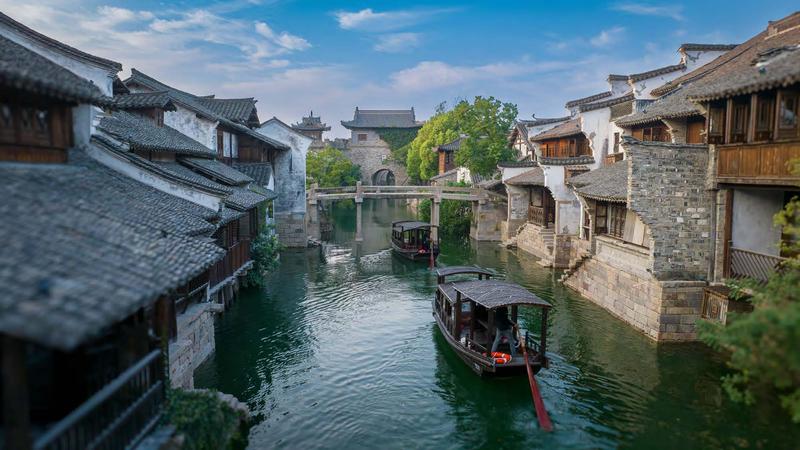
Jinyong Academy - A cultural academy showcasing the legacy of the novelist Jin Yong and classical scholarship. The venue hosts exhibitions, lectures, and themed events that connect literature with contemporary audiences.
Confucian Temple & City God Temple - Landmark civic and ritual sites reflecting Yanguan’s educational and urban history. Together, they represent the town’s traditional governance and moral order.
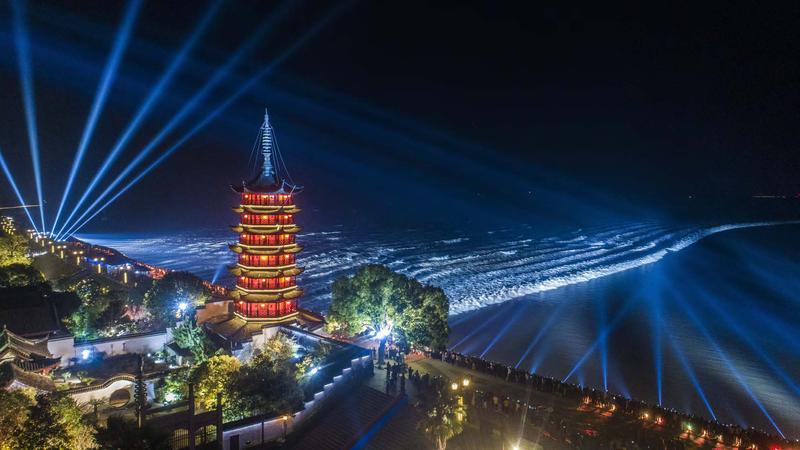
Yufeng Sauce Garden - A heritage workshop preserving traditional brewing craft and local culinary culture. It demonstrates regional food traditions and provides tasting experiences rooted in everyday life.
Yanguan’s combination of the Qiantang tidal bore, layered historical sites, and a modern arts focus makes it a distinctive cultural destination in the Yangtze River Delta. The project positions the ancient city to attract both heritage travellers and audiences seeking new cultural experiences.