
Overview
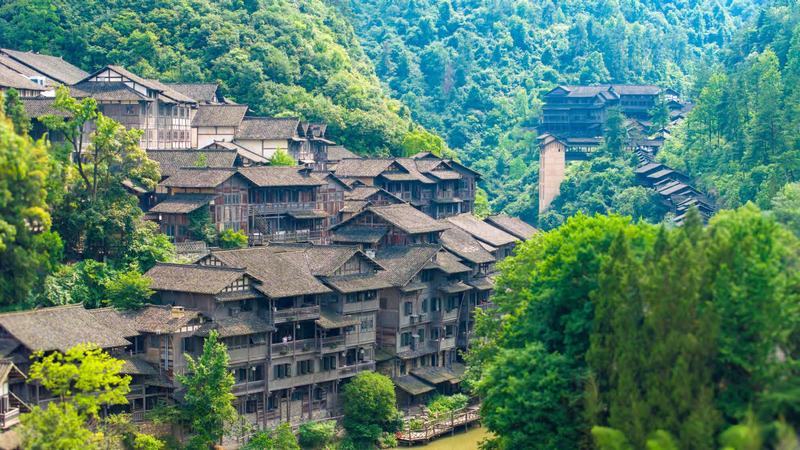
Wujiangzhai is located in Zunyi, Guizhou, along the Wu River canyon landscape. The resort draws from the region’s mountainous ecology and multi-ethnic cultural heritage, creating a destination that is both scenic and story-rich. The planning concept of “co-existence” emphasizes harmony between nature, architecture, and community life, ensuring that development supports local identity rather than replacing it.
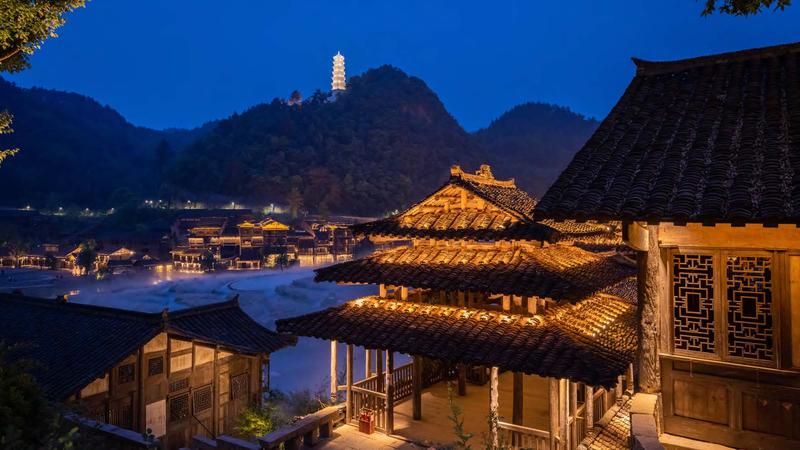
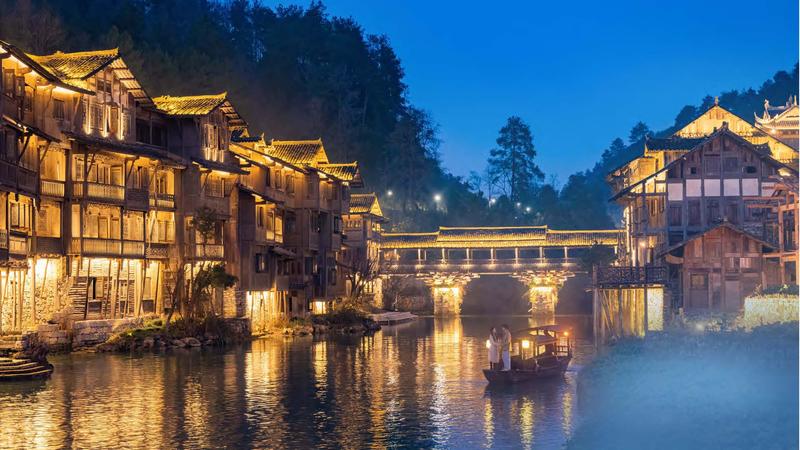
The destination is organised into distinct street districts and experience zones, each offering a different lens on Guizhou’s culture. Visitors move through hillside paths, riverside promenades, and courtyard clusters that combine traditional architectural forms with modern amenities. The result is a layered environment where sightseeing, wellness, performance, and hands-on craftsmanship are all part of a single journey.
Development
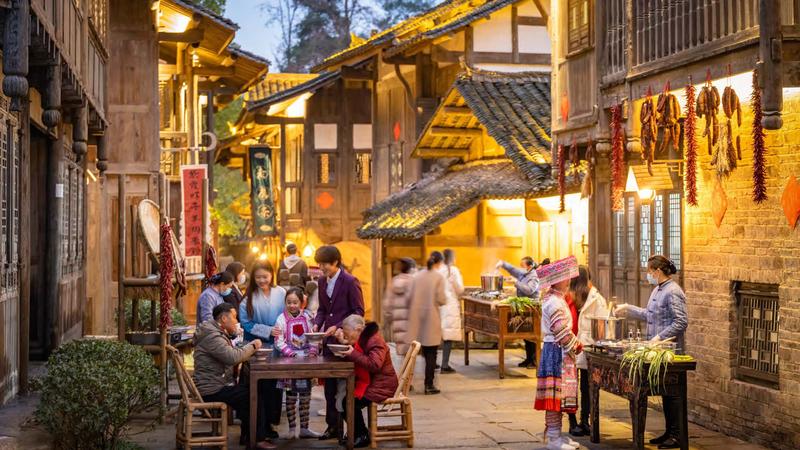
Wujiangzhai has evolved into a high-standard cultural tourism complex with hotel clusters, performance venues, craft workshops, and themed food streets. Its spatial design draws inspiration from traditional minority architecture and local materials, while contemporary infrastructure provides the comfort expected in resort destinations. The project is often used as a case study for cultural tourism revitalization in western China.
The resort has hosted national media productions and variety shows, contributing to its visibility and cultural influence. Seasonal festivals and night-time programming help extend visitor stays and activate the destination beyond daytime sightseeing. By combining immersive culture with resort services, Wujiangzhai has positioned itself as a model for mountain-based cultural tourism.
The development also supports local employment and crafts, providing platforms for artisans to demonstrate and sell their work. This approach strengthens the authenticity of the destination and ensures that cultural heritage remains a living, evolving practice rather than a museum display.
Main attractions
Sun Drum Array - A ceremonial drum installation inspired by multi-ethnic traditions and solar symbolism. It anchors public gatherings and performances, offering visitors a powerful introduction to local ritual culture.
Hehe Immortals - A cultural landmark representing harmony and auspiciousness in Chinese folk belief. The sculpture and surrounding plaza serve as a focal point for photography and cultural storytelling.
Gengtao Pottery Workshop - A hands-on experience centered on local ceramic craftsmanship and heritage firing techniques. Visitors can learn about clay preparation, glazing, and kiln culture through demonstrations and workshops.
Qianlaoweng Vinegar Workshop - A showcase of traditional Zunyi sun-dried vinegar production and tasting. The workshop highlights the relationship between local agriculture, fermentation techniques, and regional cuisine.
Hongye Chili Workshop - An exhibit and market tied to Guizhou’s famed chili culture and local agriculture. It presents the agricultural roots of regional food traditions and offers interactive tasting experiences.
Red Army Pavilion - A memorial site recounting the Red Army’s historic crossing of the Wu River. It provides historical context for the region’s revolutionary heritage and links local geography with national history.
Wujiangzhai’s combination of mountain scenery, ethnic culture, and immersive activities makes it a distinctive destination in Guizhou. By blending traditional lifestyle narratives with contemporary tourism services, the resort delivers both cultural depth and destination comfort.