
History
Puyuan is one of the most storied water towns in the Jiangnan region, with a history that stretches back nearly nine centuries. Its location along waterways made it a natural trading hub, and the town became renowned for the production and exchange of silk, cloth, and later knitwear. The tight street grid, stone bridges, and riverside markets preserved the rhythms of a traditional market town where merchants, artisans, and residents lived side by side.
Historic records describe Puyuan as a prosperous commercial settlement, and many of its buildings reflect that legacy. Ancestral halls, temples, and merchant residences remain key cultural landmarks, revealing how trade wealth shaped the civic identity of the town. The persistence of clan culture and merchant guilds also fostered a community ethos rooted in integrity and craftsmanship, traits that continue to inform Puyuan’s brand today.
Development
The modern revitalization of Puyuan is guided by the concept of a “fashion ancient town.” Rather than freezing the town as a static heritage site, the project integrates contemporary industry with historical preservation. Puyuan’s knitwear economy, one of the most significant in China, serves as an active engine for tourism, enabling visitors to experience both heritage and living industry in the same destination.

Restoration focuses on safeguarding the water-town character while introducing new cultural and commercial spaces. Traditional streets and courtyards are adapted into design studios, fashion exhibitions, galleries, and lifestyle retail, creating a continuous experience of culture and commerce. The destination also provides hotels, performance venues, and riverside promenades that support longer stays and evening activity.
By linking heritage restoration with creative industry, Puyuan positions itself as a hybrid destination: part historical town, part contemporary fashion hub. This approach supports year-round visitation, attracts business travellers and creative professionals, and connects local residents to new economic opportunities.
Main attractions
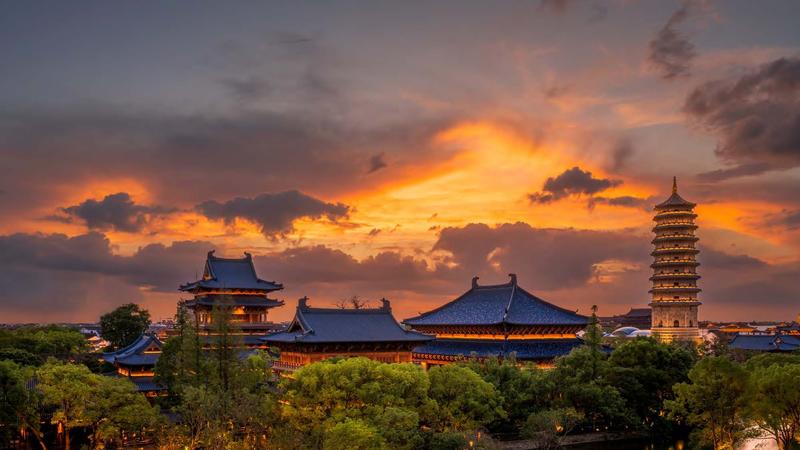
Beigenglou - A landmark watchtower with Tang–Song architectural character and panoramic views over the townscape. It serves as a symbolic “gate” to the ancient town and a popular viewpoint for visitors.
Yue Family Three Scholars Mansion - A historic residential complex associated with the Yue lineage, now adapted as a heritage exhibition site. The courtyards and halls provide a window into elite family life and the town’s scholarly tradition.
Guanwang Temple - A bridge-top temple tied to Puyuan’s merchant culture and the local tradition of honoring integrity in trade. The site reflects the spiritual life of merchant communities and the role of temples in commercial towns.
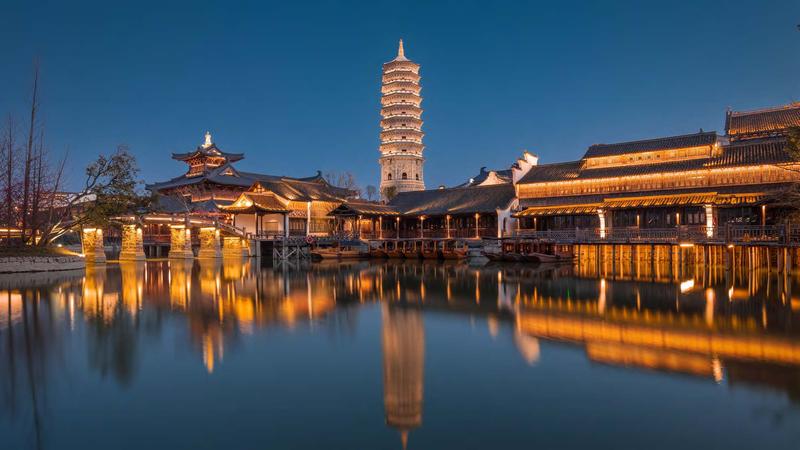
Fushan Temple & Fushan Pagoda - A centuries-old Buddhist complex that anchors the skyline. The pagoda offers elevated views of the water-town fabric and remains a key spiritual and cultural landmark.
Puyuan Merchant Guild Hall - A museum-like hall tracing the legacy of Puyuan’s commercial networks and merchant ethos. Exhibits highlight the evolution of trade and the social responsibilities of merchants in historical Jiangnan.
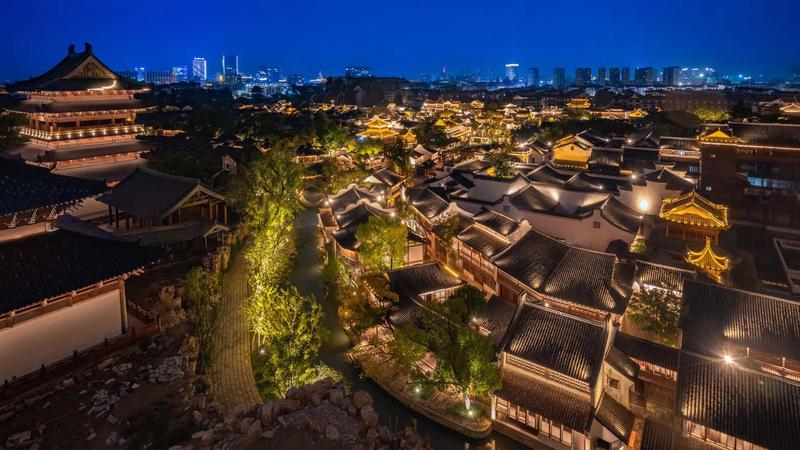
Sufang Zen Garden - A Jiangnan garden setting that hosts tea, flower, and ink arts inspired by Song-era aesthetics. It provides a tranquil counterpoint to the busier market streets and supports cultural programming such as tea ceremonies and workshops.
Puyuan’s unique identity lies in its ability to pair the atmosphere of a classic water town with the vitality of a modern fashion industry. The destination offers not only historical sightseeing but also a contemporary cultural lifestyle, making it an increasingly distinctive stop for visitors seeking both tradition and creativity.